
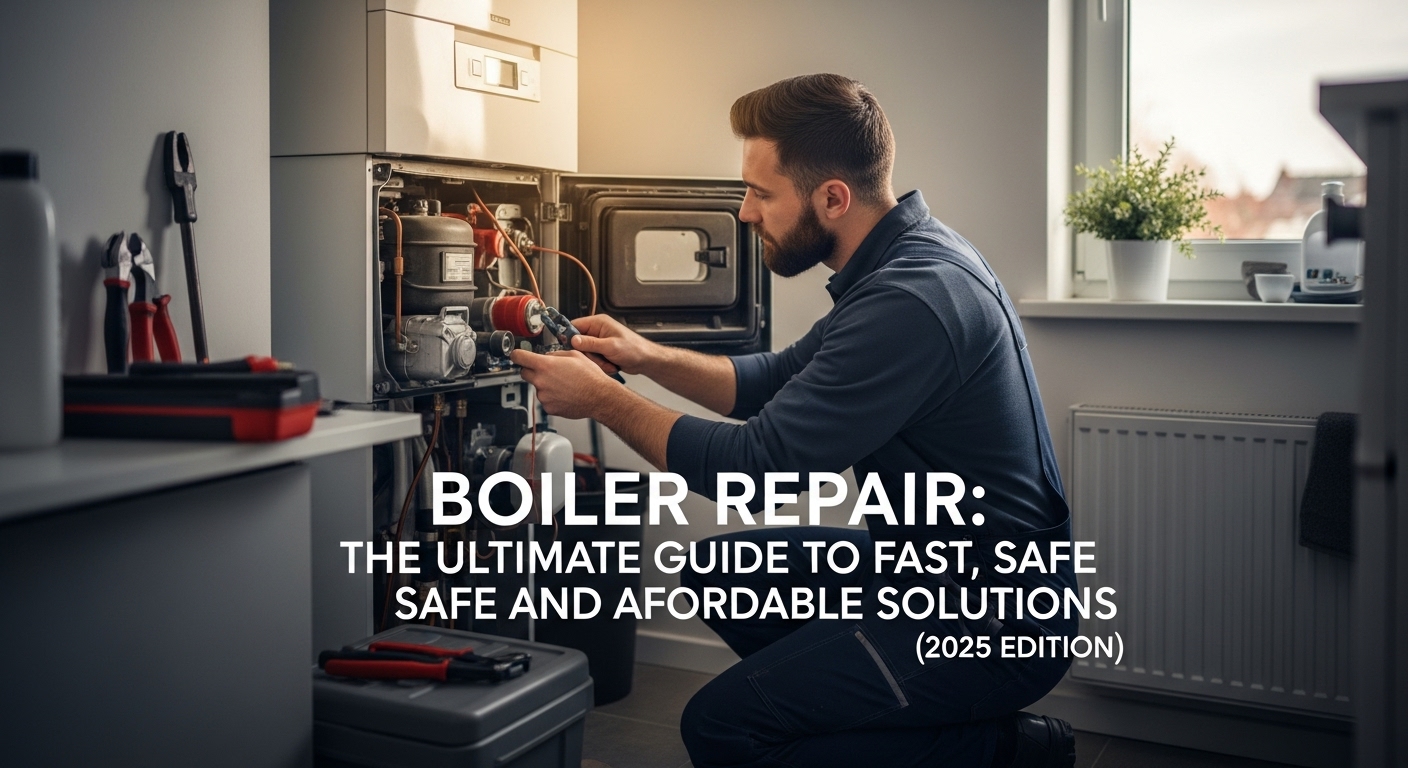
Understanding Boiler Repair and Why It Matters
Boiler repair is a crucial service that keeps homes warm, comfortable, and energy-efficient. When a boiler breaks down, it can quickly turn from a minor inconvenience into a safety hazard or costly problem. Boilers play an essential role in heating systems by circulating hot water or steam through radiators, providing consistent warmth throughout your home.
What Is Boiler Repair?
Boiler repair involves diagnosing and fixing issues in your heating system — including leaks, low pressure, faulty thermostats, and ignition failures. These systems are complex, relying on precise mechanical, electrical, and pressure controls to function properly. Professional engineers use specialized tools to test the system, identify problems, and replace or repair defective parts to restore normal performance.
Common Boiler Problems Homeowners Face
Homeowners often encounter issues such as:
- No heat or hot water due to broken diaphragms or valves.
- Leaking and dripping from worn seals or corrosion.
- Strange noises like banging or gurgling caused by trapped air or limescale buildup.
- Low pressure, often from water leaks or a faulty pressure relief valve.
- Pilot light going out, indicating gas supply or ignition issues.
Ignoring these signs can lead to complete boiler failure — often at the coldest, least convenient times.
How to Know When You Need Boiler Repair
Recognizing early warning signs helps prevent costly breakdowns and extends your boiler’s life span.
Unusual Noises and Smells
If your boiler makes clanging, whistling, or banging noises, it may indicate trapped air or limescale. Strange smells, especially gas or burning odors, should prompt immediate inspection by a Gas Safe registered engineer.
Fluctuating Water Temperature
Uneven heating or inconsistent hot water usually points to thermostat or valve problems. Quick action can prevent further system damage and energy waste.
Rising Energy Bills
A sudden spike in your heating costs often signals that your boiler is working inefficiently. Dirt, blockages, or internal wear can force it to consume more energy for the same output — a clear sign you need servicing.
Types of Boiler Repairs and Solutions
Different issues require different solutions, depending on the boiler’s make and age.
Emergency Boiler Repair
If your boiler fails completely or leaks gas, treat it as an emergency. Turn off the system immediately, ventilate the area, and contact a 24/7 boiler repair service. Quick response minimizes damage and ensures safety.
Routine Maintenance and Preventive Repairs
Regular maintenance includes checking pressure levels, inspecting seals, cleaning filters, and testing thermostats. Preventive servicing not only improves efficiency but also keeps your manufacturer’s warranty valid.
Replacing Boiler Parts and Components
Common parts replaced include thermostats, pumps, pressure valves, and heat exchangers. Replacement costs vary — from $100 for minor parts to $1,000+ for major components like heat exchangers.
DIY vs Professional Boiler Repair
Safety Risks of DIY Boiler Repair
Attempting to repair a boiler without proper training is risky. Boilers involve gas and high-pressure systems that can cause explosions or carbon monoxide leaks. DIY fixes often void warranties and can lead to expensive mistakes.
Advantages of Hiring Certified Engineers
Certified engineers bring experience, specialized tools, and safety certifications (such as Gas Safe or OFTEC). They also offer guarantees on their work, ensuring your repair is both compliant and reliable.
Average Boiler Repair Costs in 2025
Boiler repair costs in 2025 vary based on complexity, model, and region. On average, homeowners can expect to pay between $150 and $600 for standard repairs.
Factors Affecting Boiler Repair Prices
- Type of boiler: Combi, system, or conventional models differ in part prices.
- Age and condition: Older boilers may need more labor or rare parts.
- Service location: Urban areas often have higher callout fees.
Boiler Repair vs Boiler Replacement Costs
If your repair exceeds 60% of the replacement cost or your boiler is over 10–15 years old, replacement may be the better long-term option.
Choosing the Right Boiler Repair Company
Certifications and Licensing Requirements
Always ensure your engineer is Gas Safe registered (UK) or holds equivalent certification in your region. This ensures all work meets safety and legal standards.
Customer Reviews and Service Guarantees
Look for providers with positive reviews, transparent pricing, and warranties. Check independent sites like Trustpilot or Google Reviews before booking.
Preventing Future Boiler Breakdowns
Annual Servicing
Book an annual inspection to clean and test all components. This keeps your boiler running efficiently and identifies potential issues early.
Proper Ventilation and Water Pressure Control
Maintain good airflow around your boiler and monitor the pressure gauge regularly. The optimal level is typically between 1 and 2 bars.
Using Quality Parts and Regular Cleaning
Avoid cheap components that wear out quickly. Regularly clean filters and vents to prevent dirt buildup that reduces efficiency.
FAQs About Boiler Repair
Q1: How often should I service my boiler?
At least once a year to maintain performance and safety.
Q2: Can I repair a leaking boiler myself?
No. Always call a professional — leaks can involve dangerous pressure or gas issues.
Q3: Why does my boiler keep losing pressure?
It could be due to a water leak, faulty valve, or air in the system.
Q4: How long does a typical boiler repair take?
Most repairs take 1–3 hours, depending on the issue.
Q5: Is boiler repair covered by home insurance?
Some policies cover it, especially with accidental damage clauses. Check your terms.
Q6: What is the lifespan of a modern boiler?
Usually between 10–15 years with proper maintenance.
Conclusion: Keep Your Boiler Running Safely and Efficiently
Boiler repair is more than just fixing heat — it’s about ensuring safety, efficiency, and peace of mind. Regular maintenance and prompt repairs can save you hundreds of dollars in the long run and prevent dangerous situations. Whether you’re dealing with an emergency breakdown or a minor issue, hiring a certified professional guarantees your home stays warm and safe year-round.