
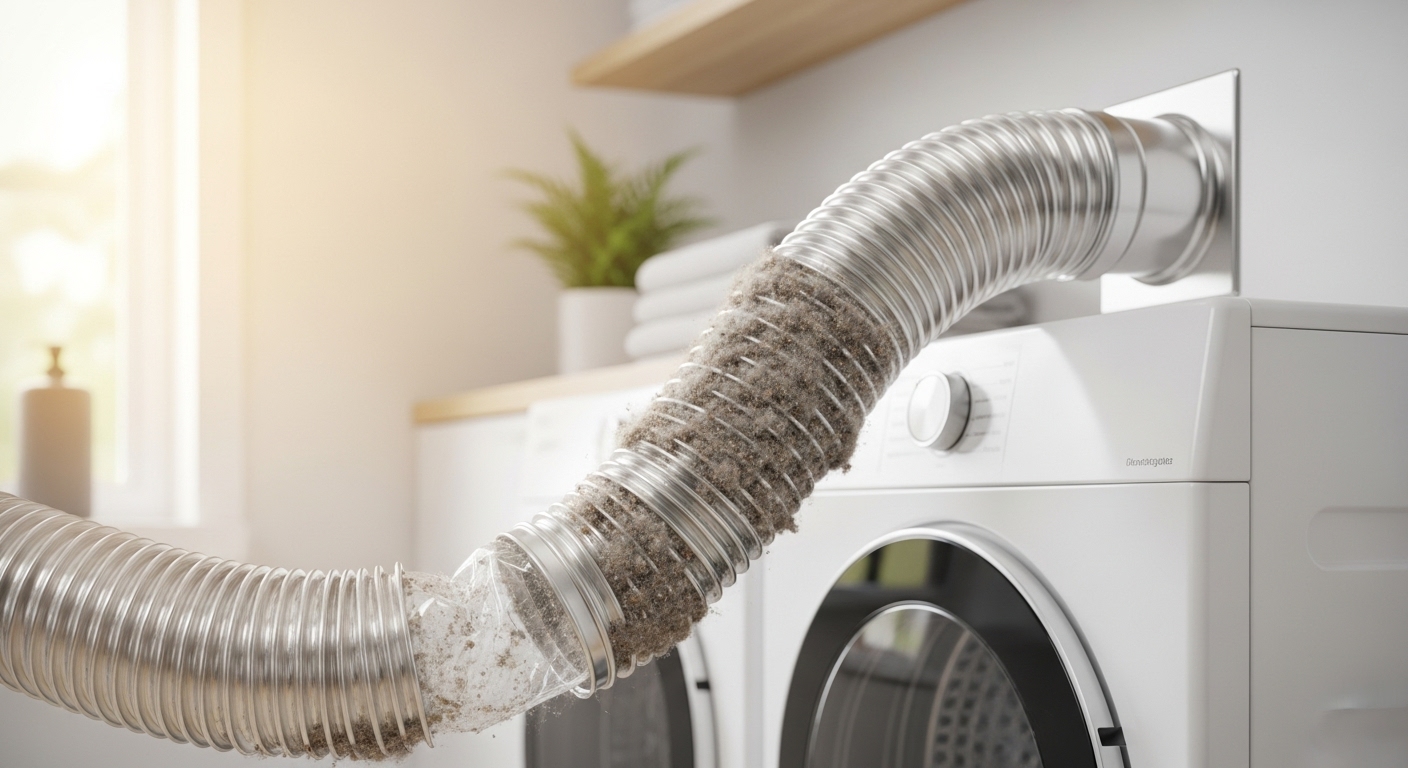
What Are Dryer Vent Cleaning Services?
Dryer vent cleaning services are professional maintenance solutions designed to remove lint, debris, and blockages from your dryer’s exhaust system. Over time, lint buildup restricts airflow, causing your dryer to overheat and work harder than necessary. A professional cleaning not only enhances performance but also prevents fire hazards and increases appliance lifespan.
Understanding How Dryer Vents Work
A dryer vent’s main purpose is to expel moisture and lint from your dryer to the outside of your home. It typically includes a duct system that connects your dryer to an external vent cap. When lint accumulates, it narrows the passage, leading to overheating, poor drying performance, and increased energy costs.
Common Problems Caused by Dirty Dryer Vents
A clogged dryer vent can lead to multiple issues, such as:
- Fire risk from accumulated lint igniting under high heat.
- Longer drying cycles, wasting time and electricity.
- Premature dryer failure due to mechanical stress.
- Excess indoor humidity, which may foster mold growth.
- Reduced air quality, affecting family health.
Regular maintenance prevents these problems and ensures your dryer operates at peak performance.
Why Dryer Vent Cleaning Services Matter for Home Safety
When it comes to home maintenance, few tasks are as overlooked—and as critical—as dryer vent cleaning. According to the U.S. Fire Administration, thousands of house fires each year are linked to lint buildup in dryers.
Fire Hazards Linked to Clogged Dryer Vents
Lint is highly flammable. Even a small spark or excessive heat can ignite it, leading to a fast-spreading fire. Professional cleaners use high-powered vacuums and rotary brushes to eliminate lint from deep within the duct system, dramatically lowering fire risk.
Energy Efficiency and Appliance Longevity
A clean dryer vent allows air to circulate freely, enabling your dryer to work efficiently. This not only reduces drying time but also cuts down on electricity consumption. Clean vents can extend your dryer’s lifespan by minimizing wear on internal parts.
Health and Indoor Air Quality Benefits
When vents are obstructed, moisture and lint particles can leak back into your home, contaminating the air. Professional vent cleaning improves ventilation and reduces allergens, ensuring a healthier living environment.
Signs You Need Professional Dryer Vent Cleaning Services
Recognizing the warning signs of a clogged dryer vent can save you from expensive repairs or fire hazards.
Slow Drying Times and Overheating
If your clothes take longer than usual to dry, it’s likely due to restricted airflow. This forces the dryer to work harder, producing excess heat—a clear indicator of vent blockage.
Burning Smells or Lint Around the Dryer
A burning odor often signals that lint near the heating element is overheating. Visible lint accumulation around the dryer vent opening is another red flag.
Increased Energy Bills or Excess Moisture
When airflow is obstructed, your dryer consumes more power to achieve the same results. You might also notice dampness or condensation in your laundry area—a sign the vent isn’t releasing moisture efficiently.
Professional vs. DIY Dryer Vent Cleaning: Which Is Better?
While DIY kits are available, they rarely match the thoroughness and safety of professional cleaning.
Pros and Cons of DIY Cleaning
DIY methods can remove visible lint near the dryer but often fail to reach deep within the duct system. They may be suitable for light maintenance but are not a substitute for expert service.
Advantages of Hiring Certified Technicians
Certified professionals use specialized tools—like air compressors, high-suction vacuums, and rotary brushes—to ensure every inch of your vent is cleaned. They can also inspect for damage, leaks, or improper installation, offering peace of mind and long-term safety.
How Professional Dryer Vent Cleaning Services Work
Professional cleaning is a systematic process that ensures safety and efficiency.
Step-by-Step Process Explained
- Inspection: Technicians assess airflow and check for lint buildup.
- Preparation: The dryer is disconnected, and protective measures are set up.
- Deep Cleaning: Using rotary brush systems and industrial vacuums, lint is removed from the vent duct.
- Testing: Airflow is re-measured to confirm optimal operation.
- Final Check: The system is reassembled, and safety tips are shared with the homeowner.
Tools and Techniques Used by Experts
Experts rely on flexible brushes, negative air machines, and sometimes even camera inspection systems to ensure thorough results. This technology allows them to reach deep into ducts without damaging them.
How Often Should You Schedule Dryer Vent Cleaning?
Recommended Cleaning Frequency
Most experts recommend scheduling dryer vent cleaning services once a year. However, larger households or commercial laundries may need cleaning every six months.
Factors That Affect Cleaning Schedules
- Frequency of dryer use
- Type of fabric being dried (towels produce more lint)
- Length and design of the vent system
- Pets in the home (pet hair increases lint buildup)
Costs of Dryer Vent Cleaning Services in 2025
Average Prices by Region
In 2025, the average cost for professional dryer vent cleaning ranges from $90 to $180 depending on region, vent length, and accessibility. Urban areas may charge slightly more due to higher labor costs.
What’s Included in the Cost?
- Full vent inspection
- Lint and debris removal
- Airflow testing
- Minor repairs (if required)
Some companies offer bundled packages with chimney or HVAC cleaning for better value.
How to Choose the Right Dryer Vent Cleaning Company
Certifications, Experience, and Reviews
Look for companies certified by the National Air Duct Cleaners Association (NADCA) or similar organizations. Always check online reviews, years of experience, and insurance coverage before hiring.
Questions to Ask Before Hiring a Service
- How long have you been in business?
- What equipment do you use?
- Do you provide a satisfaction guarantee?
- Are your technicians trained and insured?
Preventive Maintenance Tips for Dryer Vents
DIY Lint Trap Cleaning
Clean your lint trap after every load. Once a month, wash the lint screen with mild soap to remove film buildup from dryer sheets and fabric softeners.
Routine Inspections and Airflow Checks
Inspect the outside vent regularly to ensure it opens freely. If you notice reduced airflow, schedule professional service promptly.
Environmental Impact of Clean Dryer Vents
Reducing Carbon Footprint and Energy Waste
A clean vent reduces energy consumption by 20–30%, which not only saves money but also decreases your household’s carbon footprint. Efficient dryers mean less strain on the power grid and fewer greenhouse gas emissions.
FAQs About Dryer Vent Cleaning Services
1. How long does a dryer vent cleaning service take?
Typically, between 45 minutes and 1.5 hours, depending on vent length and condition.
2. Can I use my dryer right after cleaning?
Yes! Once reconnected and tested, it’s safe to use immediately.
3. What happens if I never clean my dryer vent?
Over time, lint buildup can cause overheating, fires, and expensive dryer repairs.
4. Do I need professional cleaning if I clean the lint trap regularly?
Yes—lint traps only capture about 70–80% of lint. The rest accumulates in the duct system.
5. Are there eco-friendly dryer vent cleaning options?
Many services use electric tools instead of gas-powered vacuums and properly dispose of lint waste.
6. Can clogged vents cause my dryer to stop working?
Absolutely. Restricted airflow forces your dryer to overheat, which can trip safety sensors or damage heating elements.
Conclusion: Protect Your Home with Professional Dryer Vent Cleaning Services
Dryer vent cleaning services aren’t just a convenience—they’re a necessity for home safety, efficiency, and air quality. A clean vent prevents fires, lowers energy bills, and extends the life of your dryer. Whether you choose annual or semi-annual maintenance, investing in professional cleaning today can save you thousands in potential repairs and energy costs tomorrow.
For more safety guidelines, visit U.S. Fire Administration’s Dryer Safety Page