
Table of Contents
- [Introduction](#introduction)
- [What Air Duct Cleaning Really Means](#what-air-duct-cleaning-really-means)
- [What Actually Gets Cleaned](#what-actually-gets-cleaned)
- [Supply and Return Ducts](#supply-and-return-ducts)
- [Registers, Grilles, and Diffusers](#registers-grilles-and-diffusers)
- [Plenums and Trunk Lines](#plenums-and-trunk-lines)
- [Air Handler and Furnace Components](#air-handler-and-furnace-components)
- [Evaporator Coil, Heat Exchanger, and Drain Pan](#evaporator-coil-heat-exchanger-and-drain-pan)
- [Filters and Filter Slot](#filters-and-filter-slot)
- [How the Duct Cleaning Process Works](#how-the-duct-cleaning-process-works)
- [What’s Not Typically Cleaned](#whats-not-typically-cleaned)
- [Benefits You Can Expect](#benefits-you-can-expect)
- [Signs You Need Duct Cleaning (and How Often)](#signs-you-need-duct-cleaning-and-how-often)
- [DIY vs. Pro: Choosing the Right Provider](#diy-vs-pro-choosing-the-right-provider)
- [How to Prepare and What to Do After](#how-to-prepare-and-what-to-do-after)
- [Frequently Asked Questions](#frequently-asked-questions)
- [Helpful Resources & Suggested Links](#helpful-resources–suggested-links)
- [Conclusion & Call to Action](#conclusion–call-to-action)
Introduction
If you’ve ever wondered, “what is cleaned during air duct cleaning,” you’re not alone. It’s a common question homeowners ask before they hire a pro.
Here’s the short version: professionals remove dust, debris, pet hair, allergens, and buildup from your HVAC ductwork and connected parts. But the exact checklist can vary. This guide breaks it down so you know what’s included, what isn’t, and how to get it done right.
Quick note: If you searched “what is cleaned durind air duct cleaning” (typo and all), you’re in the right place. Let’s cover what gets cleaned from start to finish.
What Air Duct Cleaning Really Means
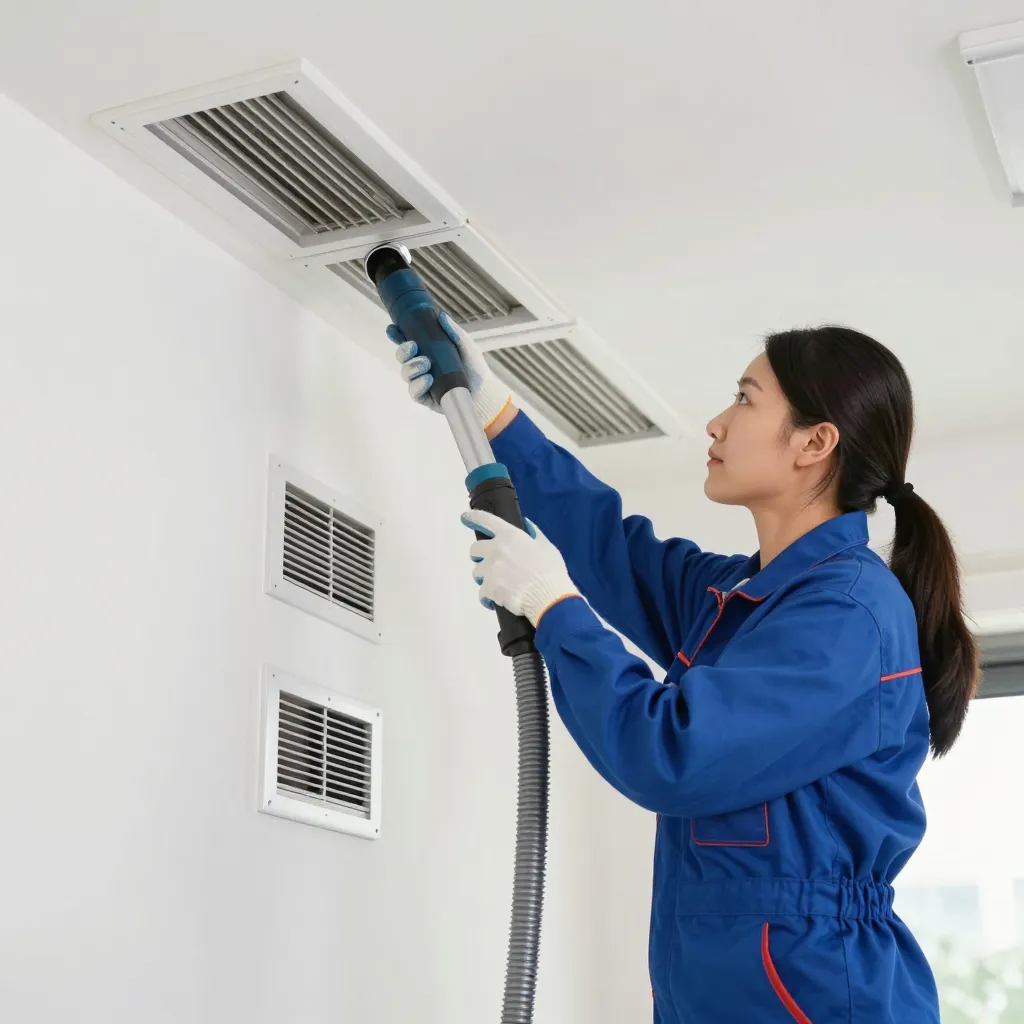
Air duct cleaning is the professional process of removing contaminants from your home’s duct system and closely related HVAC components. Techs use negative-pressure vacuums, rotating brushes, and high pressure air tools to dislodge and capture debris.
A thorough service targets supply and return ducts, vents, plenums, trunk lines, and parts of the air handler. The goal is to reduce dust recirculation, improve airflow, and protect HVAC efficiency. When done to industry standards, it’s methodical and documented with before-and-after photos.
What Actually Gets Cleaned
Below are the main components typically addressed during a comprehensive duct cleaning. If a quote seems too short or vague, compare it to this list and ask questions.
Supply and Return Ducts
These are the pathways that move conditioned air into rooms (supply) and pull air back to the system (return). Techs brush, whip, or air wash the interior duct surfaces while a powerful vacuum collects debris. This includes flex duct, sheet metal, and fiberboard ducts, where accessible.
Common contaminants removed:
- Household dust and lint
- Pet hair and dander
- Pollen and drywall/construction dust
- Insect fragments and light nesting debris
Registers, Grilles, and Diffusers
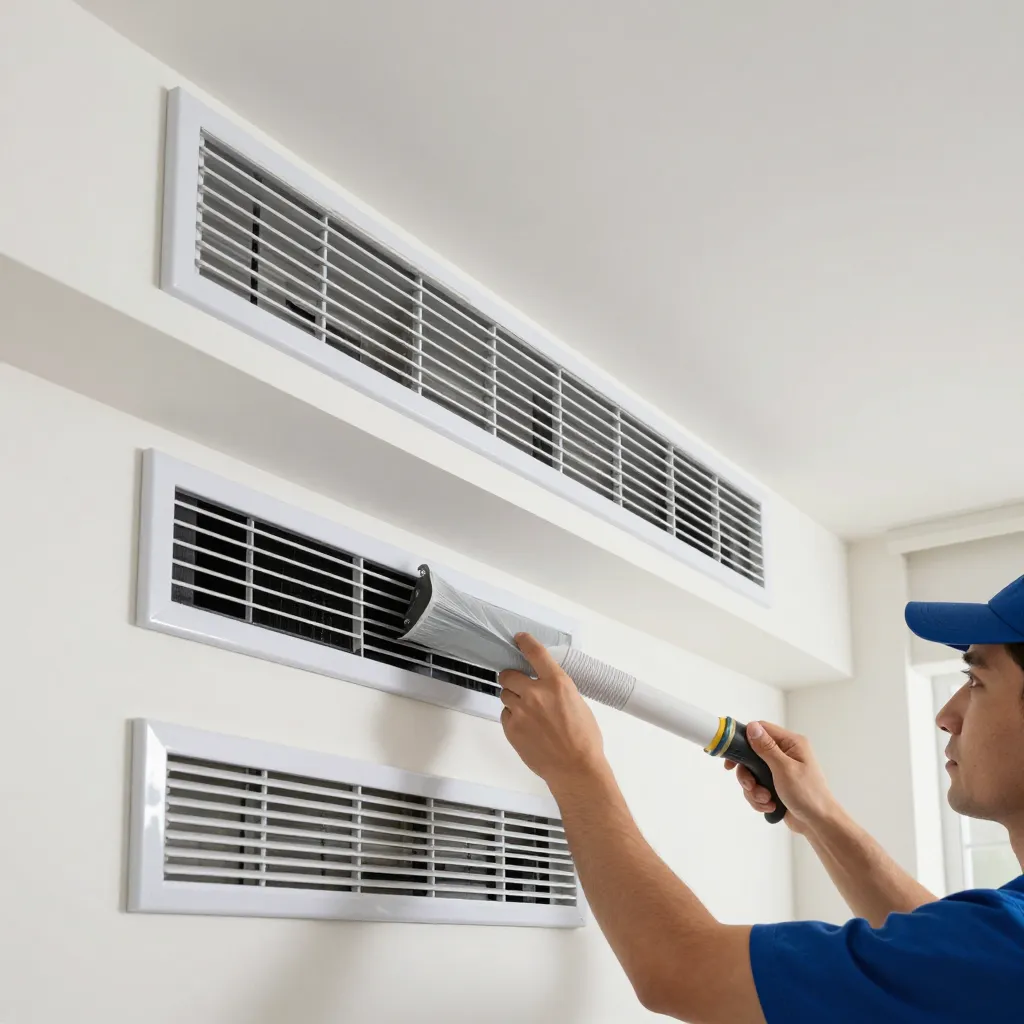
Vents are removed, cleaned, and reinstalled. Pros degrease the grilles, vacuum the boot (the short duct cavity behind each vent), and ensure no debris is left near the opening that could blow back into the room.
Plenums and Trunk Lines
The supply and return plenums (the large distribution boxes) and trunk lines (the main duct runs) collect heavy buildup over time. Cleaning here is essential because these larger sections can hold the most debris, especially after renovations.
Air Handler and Furnace Components
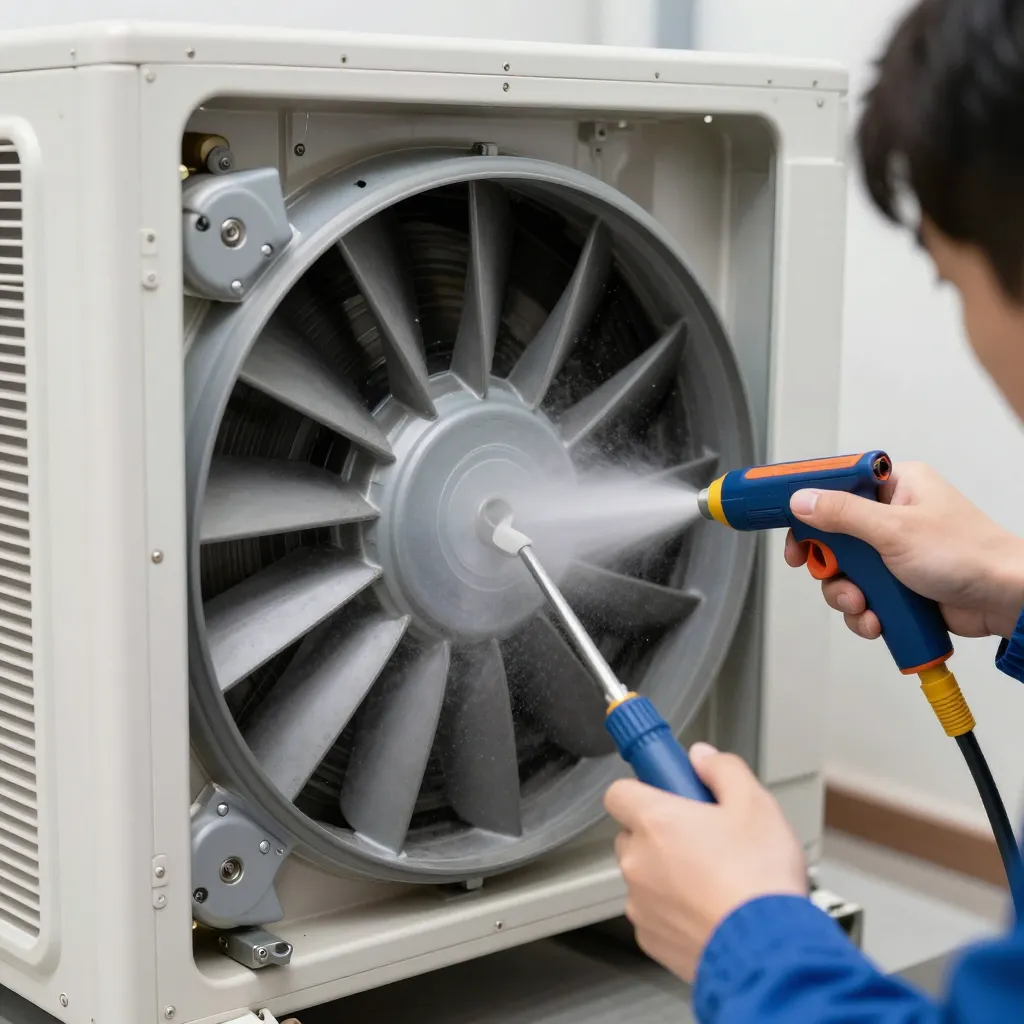
Depending on the service scope, the technician may clean parts inside or adjacent to the air handler/furnace cabinet, including:
- Blower compartment and blower wheel (fan)
- Motor housing and surrounding surfaces
- Interior cabinet walls and access panels
This attention reduces dust that could reenter the ducts and helps the system run more smoothly.
Evaporator Coil, Heat Exchanger, and Drain Pan
These important components influence air quality and efficiency, but they’re often listed as separate line items:
- Evaporator coil: May be gently cleaned or foamed if dirty; coil cleaning is sometimes a separate HVAC service because it requires specific chemicals and care.
- Heat exchanger: Typically inspected and lightly cleaned by qualified HVAC techs.
- Condensate drain pan and line: Cleared and sanitized to prevent algae and odors if included.
Always confirm whether coil and pan cleaning are included in your quote or billed separately.
Filters and Filter Slot
The filter is replaced (or cleaned if reusable). Techs also vacuum the filter slot and surrounding area to prevent immediate recontamination. Ask for a filter recommendation matched to your system’s airflow needs.
How the Duct Cleaning Process Works
A reputable provider follows a clear, documented process:
- Assessment and setup: They inspect vents and accessible ducts, note problem areas, and protect floors and walls.
- Negative pressure: A high powered vacuum connects to the duct system (often via an access port) to create negative pressure that pulls debris into a HEPA-filtered containment unit.
- Agitation and dislodging: Techs insert rotary brushes, air whips, or compressed air tools into each branch line to dislodge debris toward the vacuum.
- Vent and boot cleaning: Registers are removed, cleaned, and the boot cavities are vacuumed.
- Plenum and trunk cleaning: Larger sections are cleaned thoroughly, often requiring additional access panels.
- Air handler area: Blower compartment and cabinet are cleaned per scope.
- Coil and drain pan: Cleaned if included in the package or performed by an HVAC technician.
- Reassembly and seal: Access panels are sealed with code-compliant materials; vents are reinstalled.
- Final check and photos: Pros often provide before/after images and replace filters.
What’s Not Typically Cleaned
It’s just as helpful to know what’s generally not covered or should be treated carefully:
- Outdoor AC condenser units: These are cleaned separately with different methods.
- Inside living spaces beyond vent covers: Duct cleaning doesn’t include wall cleaning or paint touch-ups.
- Humidifier/dehumidifier media: Often separate maintenance.
- Interior insulation within ducts: Should be cleaned gently or repaired if damaged; replacement may be advised if moldy.
- Sanitizers and foggers: Not always necessary. Only use EPA registered products when there’s a specific need, and follow safety guidance.
If a company promises a “whole house special” for an unusually low price but won’t detail the scope, be cautious. Bait and switch tactics are common.
Benefits You Can Expect
When the job is done right, you should notice a few clear wins:
- Less visible dust settling on surfaces between cleanings
- Fewer musty or stale odors when the HVAC runs
- More consistent airflow from vents that were previously weak
- Peace of mind after construction or pest issues
- A cleaner blower compartment and filter area, supporting system efficiency
Air duct cleaning isn’t a magic cure for every air quality issue, but it’s an effective maintenance step when there’s significant buildup.
Signs You Need Duct Cleaning (and How Often)
You don’t need duct cleaning every year. Many homes do well with service every 3–5 years, but it depends on your situation. Consider scheduling if you notice:
- Puffs of dust when the system starts
- Heavy dust even after regular housekeeping
- Musty or stale odors from vents
- Visible debris, pet hair, or insect remains behind registers
- Recent remodeling or drywall work
- Evidence of pests inside ducts
- Persistent allergy symptoms at home
If you have multiple pets, smoke indoors, or have allergies, you may benefit from more frequent cleanings.
DIY vs. Pro: Choosing the Right Provider
Light DIY tasks, like removing vent covers and vacuuming the boot area, can help between professional cleanings. But full duct cleaning requires specialized tools, strong negative pressure, and training to avoid damage.
When hiring a pro, look for:
- Clear, itemized scope listing ducts, vents, plenums, and air handler areas
- Proper access ports with code compliant sealing after the job
- Before and after photos or video
- HEPA filtered negative-air machines
- Training or certification (e.g., NADCA)
- Transparent pricing without high pressure add-ons
Get two or three quotes, and ask each provider exactly what’s included. If coil cleaning is needed, confirm who performs it and how it’s billed.
How to Prepare and What to Do After
A little prep makes the visit smoother and faster:
- Clear access to vents, returns, and the HVAC unit
- Secure pets and move breakables away from work areas
- Ask the tech to confirm which components they’ll clean
After the service:
- Check vents for proper reinstallation
- Confirm access ports are sealed and labeled
- Replace filters on the recommended schedule
- Keep registers open and unblocked for even airflow
- Consider a short post cleaning housekeeping session to catch any residual dust
Frequently Asked Questions
What is cleaned during air duct cleaning, exactly?
Pros clean supply and return ducts, registers, grilles, plenums, trunk lines, and often the blower compartment. Filters are replaced or cleaned, and boots are vacuumed. Coil and drain pan cleaning may be separate.
How long does a typical duct cleaning take?
Most single family homes take 2–4 hours with a two-person crew. Larger homes, complex duct layouts, or heavy buildup can take longer.
Do I need chemicals or sanitizers?
Not usually. Sanitizers or foggers are only recommended for specific issues like microbial growth or odors. If used, ensure they’re EPA registered and applied safely.
How often should I schedule duct cleaning?
For many homes, every 3–5 years is reasonable. Schedule sooner after renovations, pest issues, water damage, or if you notice visible dust or odors from vents.
Will duct cleaning lower my energy bills?
It can help indirectly. Clean blower components and unobstructed ducts support proper airflow, which helps the HVAC run efficiently. Combine cleaning with routine HVAC maintenance for best results.
Helpful Resources & Suggested Links
- [LINK: EPA guidance on duct cleaning -> https://www.epa.gov/indoor-air-quality-iaq/should-you-have-air-ducts-your-home-cleaned]
- [LINK: NADCA consumer tips -> https://nadca.com/homeowners]
- [LINK: Indoor air quality improvements -> ]
- [LINK: HVAC maintenance -> https://thecleaningcaddypanama.com/services/hvac-maintenance-in-panama-city-beach-fl/]
Conclusion & Call to Action
Now you know what’s cleaned during air duct cleaning and what’s not. A thorough service covers ducts, vents, plenums, trunk lines, and key HVAC cabinet areas, with optional coil and drain pan cleaning when needed.
If your vents puff dust, smell musty, or you’ve just wrapped up a remodel, it’s time to act. Get an itemized quote, ask for photos, and choose a pro who follows industry standards.
Ready to breathe easier? Schedule a comprehensive air duct cleaning today and get your home’s airflow back on track.