

You’re not imagining it dust really does seem to settle faster right after you’ve cleaned. If you’re wondering, “will cleaning my air ducts make my house less dusty,” you’re asking the right question. The short answer: duct cleaning can help in specific situations, but it’s not a magic eraser for dust. Real results come from a combo of duct hygiene, filtration, sealing, and everyday habits.
This guide breaks down when air duct cleaning actually reduces dust, what causes dust in the first place, and the practical steps that keep surfaces cleaner for longer.
A Relatable Story: The Day the Shelf Made Its Case
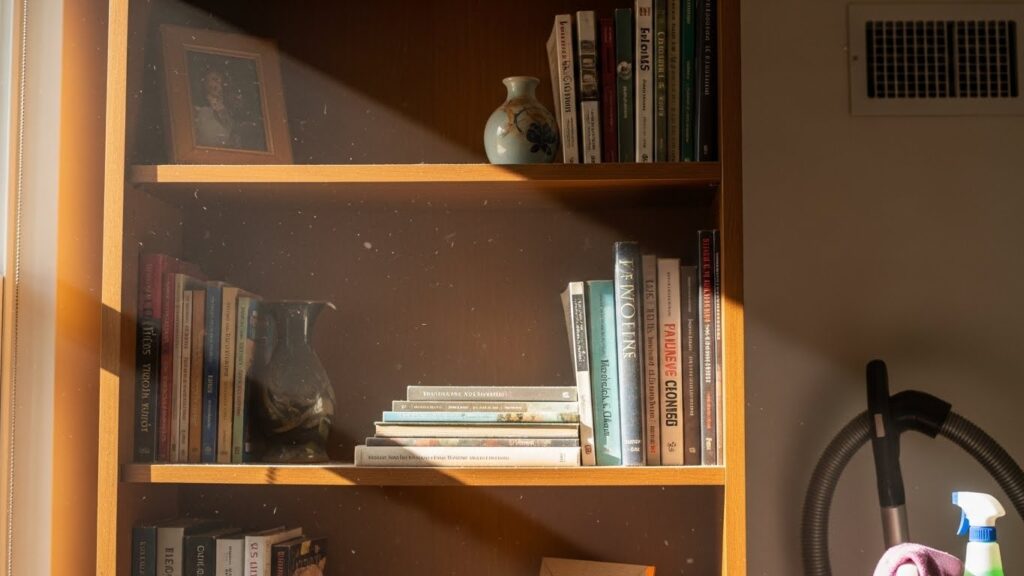
Two weeks after a mini home makeover, Jamie noticed a faint gray film across the hall bookshelf again. She had wiped it two days earlier. The sunlight catching the air made tiny particles dance like glitter. She sighed, glanced up at the nearby ceiling vent, and wondered if the ducts were to blame.
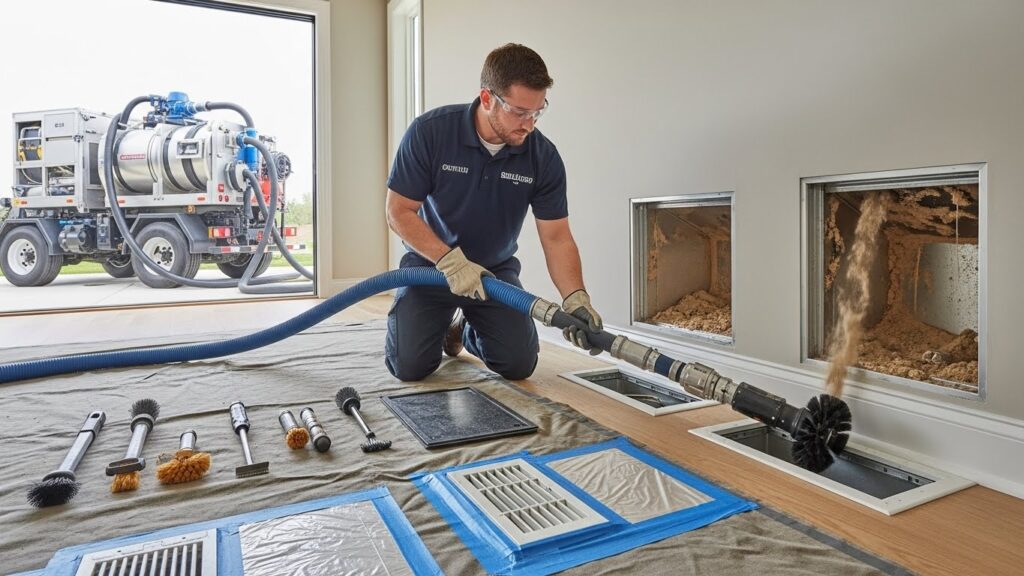
After a little research and a couple of quotes, she booked a certified duct cleaning. The crew showed up with a truck-mounted vacuum, sealed all the registers, and used rotary brushes to dislodge debris. They pulled out drywall dust from a recent project, pet hair tufts, and a few unidentifiable “how did that get in there?” bits.
The results? Dusting duty didn’t disappear, but it did slow down. Instead of a visible film every two to three days, it took five or six. Pairing the cleaning with a higher MERV filter and sealing a few duct leaks made the biggest difference. Jamie didn’t get a dust-free home (no one does), but she got her weekends back and that felt like a win.
What Actually Causes Dust in Your Home
Here’s the thing: dust doesn’t come from a single source. Your HVAC system recirculates air, but ducts aren’t the original dust factory. Household dust is a mix of:
- Outdoor particles tracked in on shoes, pets, and air leaks
- Fabric fibers from carpets, curtains, and clothing
- Skin cells and pet dander
- Combustion particles from candles or cooking
- Pollen and seasonal debris
Now let’s talk about how it moves. As your HVAC runs, it pulls air back through returns, past the filter, and sends conditioned air through supply ducts. If your ducts are dirty, that debris can recirculate. If your ducts are leaky, they can pull dusty air from attics, crawlspaces, or garages and push that into rooms. Filters, pressure differences, and duct integrity all matter.
So will cleaning my air ducts make my house less dusty? It can if your dust problem is tied to contaminated or leaky ducts. If dust is coming from other sources, cleaning alone won’t transform your home. The goal is to fix the system as a whole.
When Air Duct Cleaning Helps Reduce Dust
Air duct cleaning is most effective when the dust you see is actually coming from inside the ductwork, or when the ducts are sucking in dust from unconditioned spaces. You’ll likely benefit if:
- You’ve recently remodeled. Drywall sanding and sawdust can infiltrate ducts.
- You notice dust puffs from vents. Visible bursts when the system starts can mean loose debris.
- There are signs of pests. Droppings or nesting materials inside ducts are a clear no-go.
- You see or smell mold on or around HVAC components. Mold requires remediation and source control.
- Your home has duct leakage. Leaky return ducts can pull dust from attics, crawlspaces, or garages.
- Your filter got bypassed. A missing, undersized, or poorly seated filter lets dust pass freely.
In these cases, a professional cleaning paired with proper filtration and sealing can measurably reduce how fast dust settles on surfaces.
When Duct Cleaning Won’t Change Much
Duct cleaning isn’t a cure-all. You might notice little change if:
- Your ducts are already clean and well-sealed, but you have low efficiency filters.
- Dust is tracking in on shoes or through air leaks around doors and windows.
- You have lots of fabrics, rugs, and pet hair that shed daily.
- You dust with dry cloths, which can re-aerosolize particles.
- Humidity is low and static sends particles back into the air.
In these situations, focusing on filtration upgrades, sealing, housekeeping tactics, and moisture control often delivers more impact than cleaning alone.
The HVAC System’s Role: Filtration, Sealing, and Airflow
Your HVAC system can be your best dust ally or your worst enemy. Three factors matter most:
- Filtration: The filter captures particles. The better it fits and the higher its efficiency (MERV rating), the more dust it can catch.
- Sealing: Duct leaks pull dusty air from attics and crawlspaces. Returns are especially problematic when leaky.
- Airflow: Restricted airflow (clogged filters, dirty blower, undersized ducts) reduces filtration effectiveness and comfort.
If you address all three, your home gets less dusty whether or not you clean the ducts.
How Often Should You Clean Air Ducts?
There’s no one size fits all schedule. Many homeowners don’t need routine duct cleaning. Consider it when:
- You’ve completed construction or major renovations
- You move into a home with uncertain maintenance history
- You detect odors, visible debris, or pest signs
- Allergy or asthma symptoms spike and other fixes didn’t help
For most, a well-maintained system, good filtration, and sealed ductwork reduce the need for frequent duct cleaning.
What Professional Duct Cleaning Includes (And What It Shouldn’t)
A reputable cleaning targets the full path of airflow not just the visible grills. Here’s what a thorough service typically covers:
- Inspection and setup: Technicians assess access points and condition, then protect floors and furniture.
- Negative pressure: They connect a powerful vacuum (truck- or portable-mounted) to draw debris out of the system.
- Agitation: Rotary brushes, compressed air whips, or similar tools dislodge dust from supply and return runs.
- Component cleaning: Registers, grilles, return boxes, blower compartment, and evaporator coil area are addressed.
- Filter check: They verify fitment and may recommend an upgrade.
- Before/after proof: Photos or videos document results.
Red flags to avoid:
- Ultra-cheap specials (like $99 whole-house deals) that upcharge aggressively
- Spraying chemicals indiscriminately without explaining risks and necessity
- Skipping returns or high-value components
- No documentation or certification
Costs and Timeframe
Typical professional duct cleaning ranges from $400 to $800 for an average single family home, but pricing varies by region, home size, number of systems, and duct complexity. Expect 2–5 hours for a thorough job.
If a quote seems too good to be true, it probably is. Look for certified providers, clear scope, and proof of work.
Will Cleaning My Air Ducts Make My House Less Dusty? The Honest Answer
Let’s bring it back to the question. Yes, cleaning ducts can reduce dust if debris has built up or if leaks are drawing in dirty air. But you’ll see the biggest and longest-lasting reduction when duct cleaning is part of a broader dust-control plan:
- Use the right filter (MERV 11–13, if your system supports it)
- Seal leaky ducts, especially returns
- Keep coils and blower compartments clean for proper airflow
- Control sources: shoes, pets, fabrics, and entry mats
- Maintain healthy humidity (40–50%) so particles settle instead of floating
Think of duct cleaning as a reset not the whole solution.
The Filtration Fix: Choosing the Right Filter
Filters are your day-to-day dust catchers. A few tips to do it right:
- Check your system’s specs and aim for MERV 11–13 if supported. Higher MERV captures more fine particles.
- Replace on schedule every 1–3 months for standard filters, or per manufacturer guidance for high-capacity filters.
- Ensure a tight fit. Gaps allow air (and dust) to bypass the filter.
- Avoid overly restrictive filters if your system isn’t designed for them. Watch for symptoms like whistling vents or poor airflow.
If you’re unsure, ask a professional to measure static pressure. That test confirms whether your system can handle a higher-efficiency filter without stress.
Duct Sealing: The Overlooked Dust Solution
Even clean ducts won’t help if outside air is being pulled in through leaks. Focus on:
- Return ducts: Leaks here pull dusty, unconditioned air into your system
- Attic and crawlspace runs: Common leak points where dust and insulation fibers enter
- Connections at air handler, plenums, and registers: Seal with mastic (not just tape)
Professional duct sealing or in-duct aerosolized sealing can drastically cut dust intrusion and improve comfort. Many homeowners see immediate gains in cleaner vents and reduced housekeeping.
Smart Housekeeping Habits That Actually Reduce Dust
Make small changes that compound over time:
- Use a vacuum with a HEPA filter; vacuum carpets and rugs 1–2 times per week
- Dust with slightly damp microfiber, not dry feather dusters
- Wash bedding weekly in hot water to reduce fibers and dander
- Groom pets regularly and brush them outdoors if possible
- Add sturdy doormats outside and inside your main entry; leave shoes at the door
- Avoid frequent candle burning; use unscented alternatives when possible
- Run kitchen and bathroom exhaust fans to remove particulates and humidity
Humidity and Dust: Why 40–50% Is the Sweet Spot
Too-dry air makes dust lighter and more airborne. Too-humid air clumps particles and can feed mold. Aim for 40–50% relative humidity year-round.
- In winter, consider a whole-home humidifier if air gets extremely dry
- In summer, ensure your AC is sized and functioning properly for dehumidification
- Use a hygrometer to monitor, especially in basements and bedrooms
Balanced humidity helps dust settle and stay put until you can remove it.
DIY vs. Professional: What You Can Safely Do
You can make a noticeable difference without opening the entire duct system:
- Replace or upgrade your HVAC filter and ensure a snug fit
- Vacuum return grilles and supply registers regularly
- Remove floor registers to vacuum accessible dust in the first few inches of duct
- Wipe registers with a damp microfiber cloth
- Keep the area around the air handler clean and unobstructed
Avoid sticking long brushes or tools deep into ducts damaging a flex duct or dislodging a connection can cause costly problems. Leave full system cleaning and coil service to pros.
A Simple Step-by-Step Plan to Make Your Home Less Dusty
- Inspect filters. Upgrade to the highest MERV your system can handle safely.
- Seal the leaks. Have a pro test and seal ductwork, especially returns.
- Consider cleaning. If you’ve remodeled, see visible debris, or have odors/pests, schedule a professional cleaning.
- Adjust humidity. Keep relative humidity around 40–50%.
- Improve housekeeping. HEPA vacuuming and damp microfiber dusting.
- Control entry points. Door mats, shoe rules, and weatherstripping.
- Maintain the system. Annual HVAC service for airflow and efficiency.
Follow these steps in order, and you’ll get more measurable results than cleaning alone.
Health Considerations: Allergies, Asthma, and Sensitivities
If you or a family member struggles with allergies, asthma, or sensitivities, dust control matters even more. Duct cleaning may help when there’s visible contamination or moisture-related issues, but better filtration, sealed ducts, and humidity control typically deliver bigger wins.
For some households, adding a dedicated air cleaner or upgrading to a high-MERV filter with a properly sized return helps reduce airborne triggers. Always weigh filtration with airflow to avoid straining the system.
How to Choose a Reputable Duct Cleaning Company
- Look for certifications specific to duct cleaning and HVAC work
- Ask what equipment they use (negative-pressure vacuum, agitation tools)
- Request before-and-after photos or video
- Get a clear scope: Are returns, supply runs, and key components included?
- Be wary of dramatic claims or chemical add-ons without a clear reason
A good provider educates, documents, and addresses the whole system filters, leaks, and cleanliness not just the easy-to-reach parts.
Key Takeaways
- Duct cleaning can reduce dust if your ducts are dirty, leaky, or contaminated
- You’ll see better, longer-lasting results by also upgrading filtration and sealing leaks
- Household dust has many sources habits, fabrics, and humidity play a big role
- Think system first: airflow, filtration, sealing, and source control
Frequently Asked Questions
Will cleaning my air ducts make my house less dusty?
It can, especially if your ducts contain debris or leaks are pulling in dusty air. However, the biggest gains come when cleaning is paired with better filtration, duct sealing, and smart housekeeping.
How often should I have my air ducts cleaned?
There’s no fixed schedule. Consider cleaning after renovations, when moving into an unknown system, or if you see visible debris, odors, or pest activity. Otherwise, focus on filters, sealing, and routine HVAC maintenance.
What kind of filter should I use to reduce dust?
Most homes benefit from MERV 11–13 filters, as long as your system can handle the added resistance. Ensure a tight fit, replace on schedule, and ask a pro to check static pressure if you’re upgrading.
Can leaky ducts really make a home dustier?
Yes. Leaky return ducts can draw dusty air from attics, crawlspaces, or garages and distribute it into living areas. Sealing ducts often reduces dust, improves comfort, and can lower energy bills.
Is duct cleaning safe for my HVAC system?
When performed by trained professionals using proper equipment, yes. They should use negative pressure and agitation tools designed for ducts and protect delicate components like coils and flexible ducts.
Links & Resources
- [LINK: EPA guide to duct cleaning -> https://www.epa.gov/indoor-air-quality-iaq/should-you-have-air-ducts-your-home-cleaned]
- [LINK: High-efficiency HVAC filters explained -> https://www.energy.gov/energysaver/maintaining-your-air-conditioner]
- [LINK: Controlling home humidity -> https://www.cdc.gov/niosh/topics/indoorenv/controls.html]
- [LINK: How to choose a reputable duct cleaning pro -> https://nadca.com/homeowners]
Conclusion: A Cleaner Home Starts with a Smarter System
If you’ve been asking, “will cleaning my air ducts make my house less dusty,” you’re already halfway to a solution. Duct cleaning helps when there’s debris, leaks, or contamination especially after renovations. But the real, lasting dust reduction comes from a system approach: better filtration, sealed ducts, balanced humidity, and consistent housekeeping.
Ready to breathe easier and dust less often? Combine a professional assessment with the practical steps in this guide. Your shelves and your sinuses will thank you.
Call to Action
Want tailored advice for your home and HVAC setup? Schedule an in-home assessment to test for duct leaks, filtration fit, and airflow. We’ll help you build a dust-reduction plan that actually works. Get started today.